CHENNAI FLOODS
Chennai, Tamil Nadu · November–December 2015
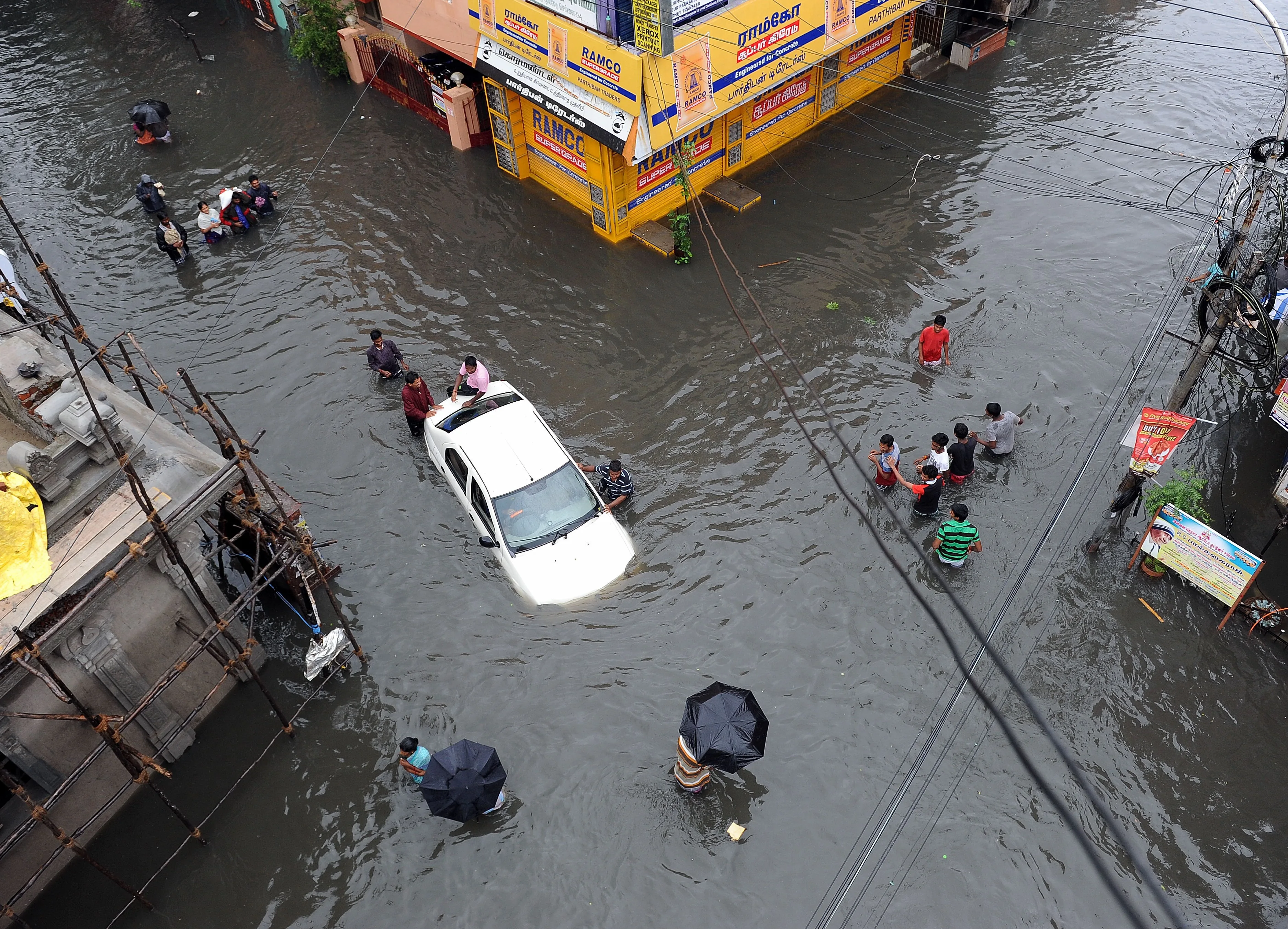
Extreme rainfall combined with reservoir releases inundated large parts of Chennai, disrupting power, healthcare, transport and relief operations across the city.
WHAT HAPPENED
LOCATION
Chennai, Tamil Nadu
TIMELINE
November–December 2015
INCIDENT TYPE
Urban flooding with reservoir release
SCALE
Around 421 fatalities reported in the source document, with major disruption to power, hospitals, transport and relief distribution.
CIRCUMSTANCES
Record rainfall combined with release from Chembarambakkam reservoir caused extensive urban flooding, with some neighbourhoods experiencing severe access and coordination challenges.
WHAT MADE THE RESPONSE DIFFICULT?
01
EARLY WARNING
Downstream communities did not receive adequate warning before reservoir releases.
02
URBAN ACCESS
Flooded roads restricted movement of emergency personnel, relief vehicles and medical support.
03
INCIDENT COORDINATION
Some affected areas lacked a coordinated local command and relief-distribution structure.
04
WATER RESCUE READINESS
Specialist urban swift-water capability had not been sufficiently pre-positioned.
05
CRITICAL SERVICES
Power failure and flooding affected hospitals and essential infrastructure.
THE OPERATIONAL LESSON
— 01
LOCAL COMMAND MATTERS
Ward-level incident command can accelerate decisions and resource allocation.
— 02
WARNING MUST PRECEDE RELEASE
Reservoir-release protocols need direct downstream public notification.
— 03
PRE-POSITION BEFORE THE WEATHER ARRIVES
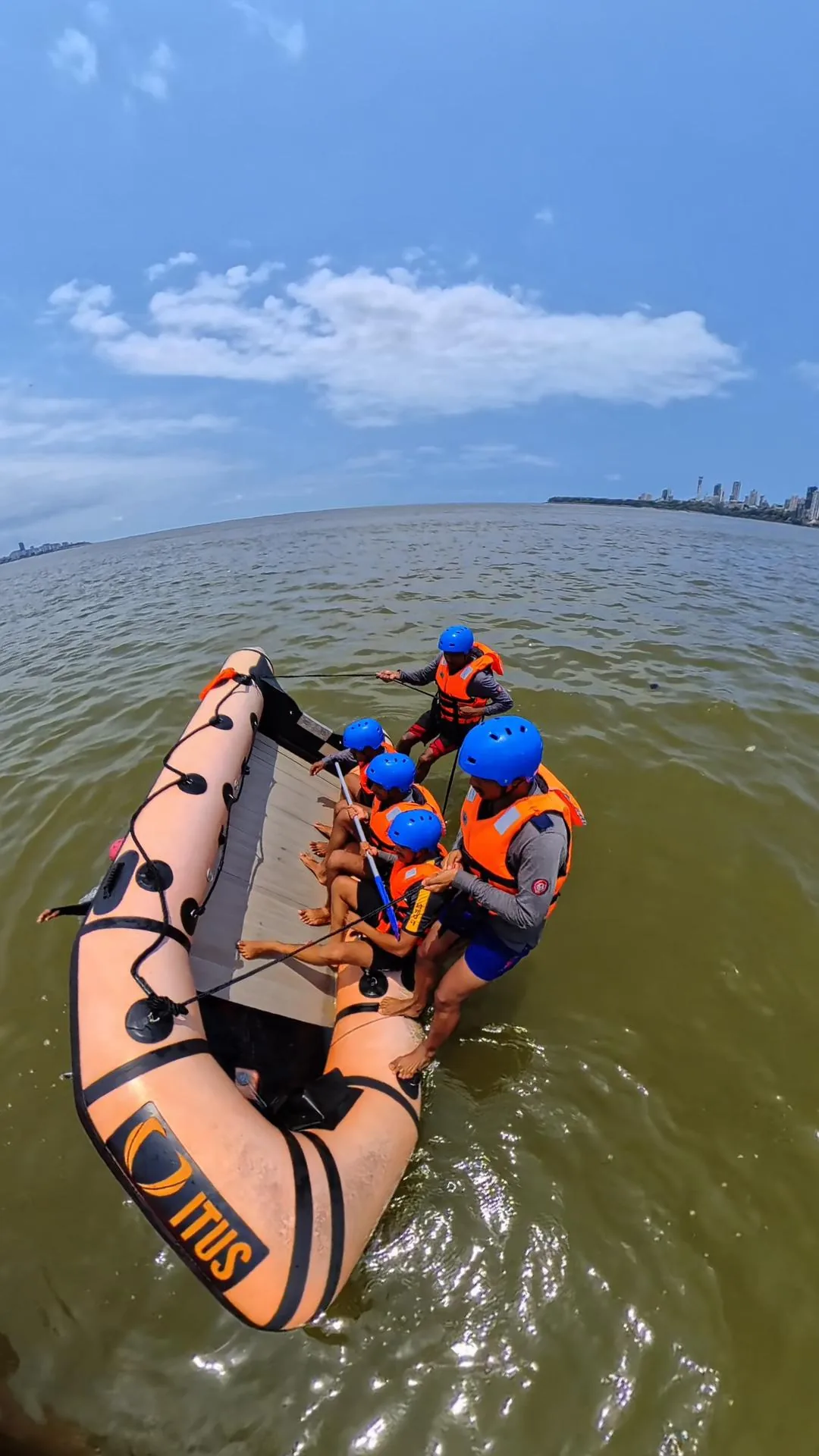
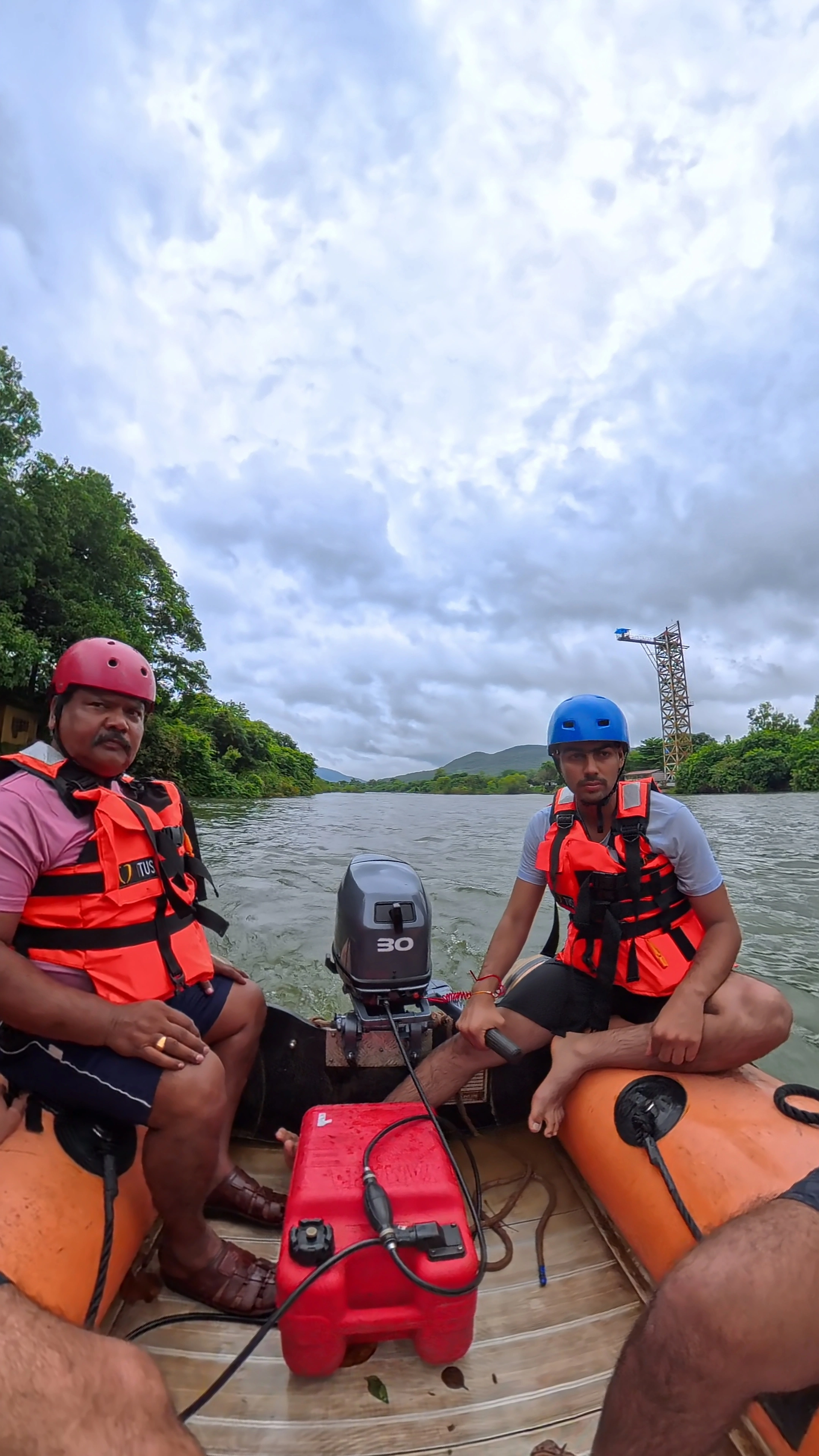
Boats and trained water-rescue teams should move into flood-prone areas before predicted extreme rainfall.
— 04
RELIEF REQUIRES STRUCTURE
Rescue, evacuation and logistics must operate under one coordinated system.
WHAT CAPABILITY CAN STRENGTHEN RESPONSE?
Urban flood rescue
Swift-water rescue
Rescue-boat operations
Incident command
Evacuation planning
Emergency communications
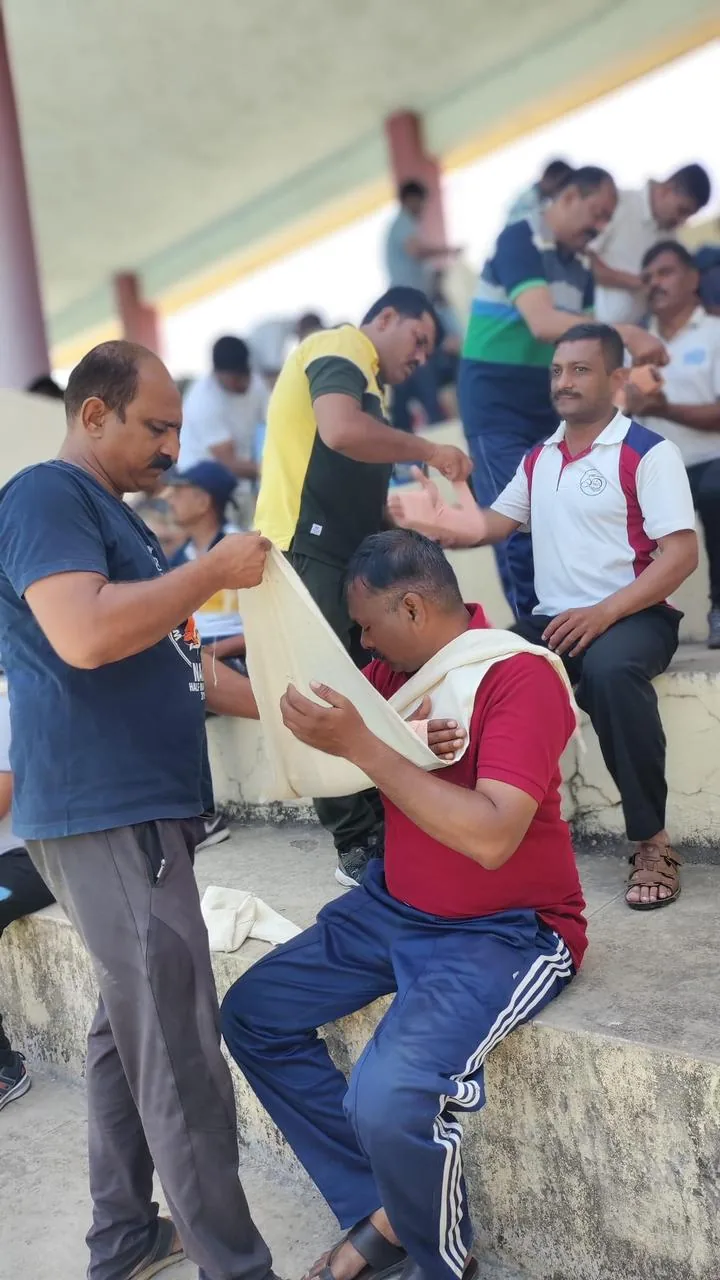
Medical first response
Relief coordination
3 THINGS TO REMEMBER
01
WARN EARLY
Forecasts and reservoir operations must translate into public action.
02
PRE-POSITION CAPABILITY
Rescue resources are most valuable when already near the risk.
03
COMMAND LOCALLY
Large urban incidents require distributed control.
SOURCES & REFERENCE NOTE
Prepared from the case-study source provided in this project. Re-verify incident figures and publication-sensitive claims before final public release.