TRAIN FOR THE
REAL WORLD
Indian Rescue Academy was created around a simple idea: responders should be prepared before conditions become critical. IRA develops technical skill, judgement, team coordination and operational confidence through training designed around the environments in which responders actually work.
A DECADE OF BUILDING CAPABILITY.
COLLABORATIONLifesaving training partnerships support the development of structured aquatic and emergency-response programmes.
DEVELOPMENTIRA expands engagement with the professional maritime search-and-rescue ecosystem.
DEVELOPMENTMulti-year institutional capability-building programmes increasingly focus on sustainable internal training, equipment readiness and force development.
FROM LIFESAVING TO NATIONAL READINESS.
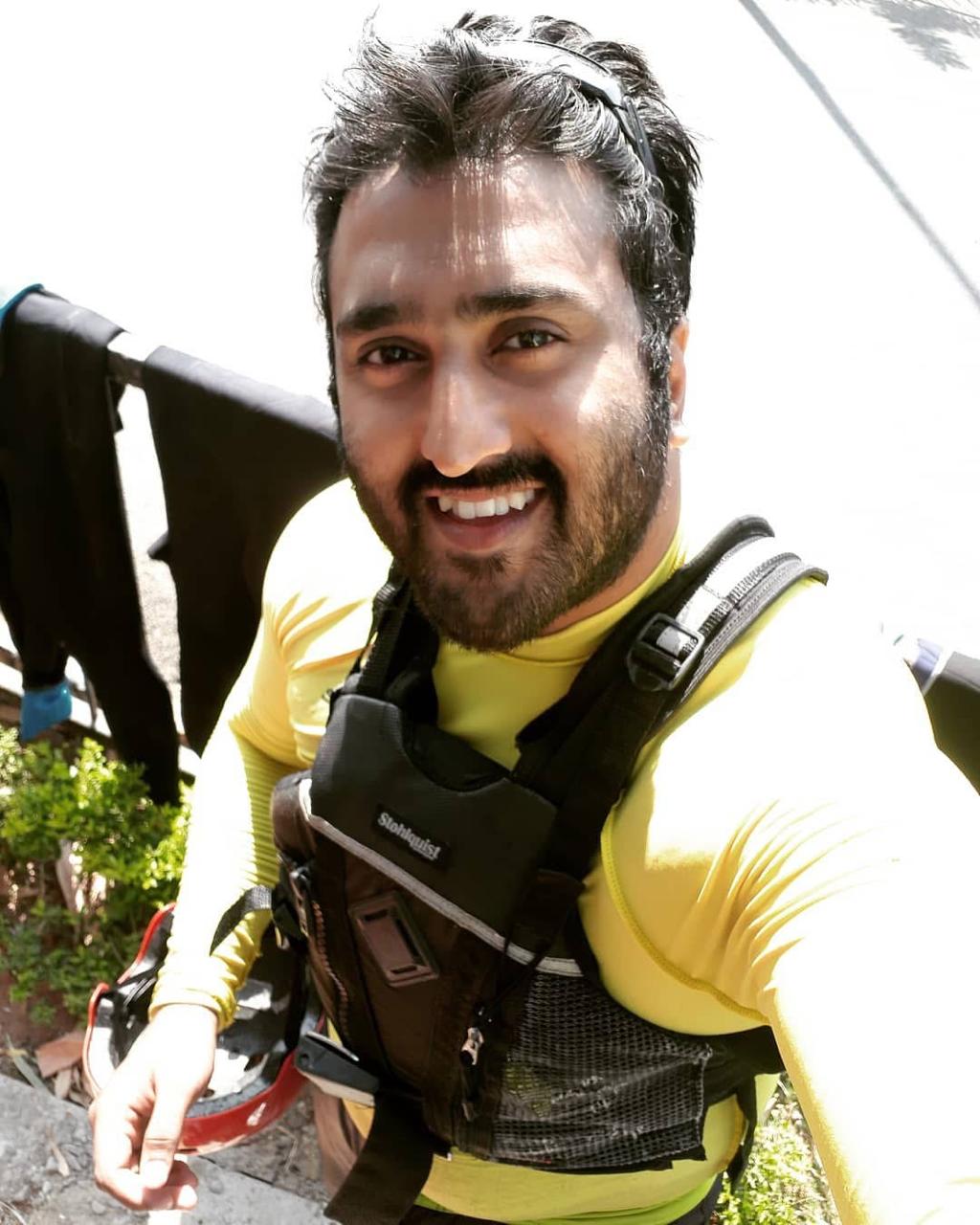
Indian Rescue Academy grew from the experience of its founder, Ankit Wagh, whose journey began in the water as an international swimmer and lifesaver.
Exposure to rescue operations and international safety systems highlighted a wider challenge: India needed professional training that could bring proven rescue practices into local operating environments.
The goal was not simply to teach isolated rescue techniques.
It was to build responders who could understand risk, work as a team, use equipment correctly, make sound decisions under pressure and operate safely when conditions became unpredictable.
This thinking developed into Indian Rescue Academy — a specialised training institution focused on strengthening rescue and emergency-response capability across government, institutional and community response systems.
FROM INDIVIDUAL TRAINING TO INSTITUTIONAL READINESS.
The role of IRA has transformed significantly, extending beyond traditional individual training sessions. Currently, programs integrate academic instruction, on-site force development, instructor proficiency, equipment preparedness, and ongoing education to assist organizations in establishing sustainable response systems.
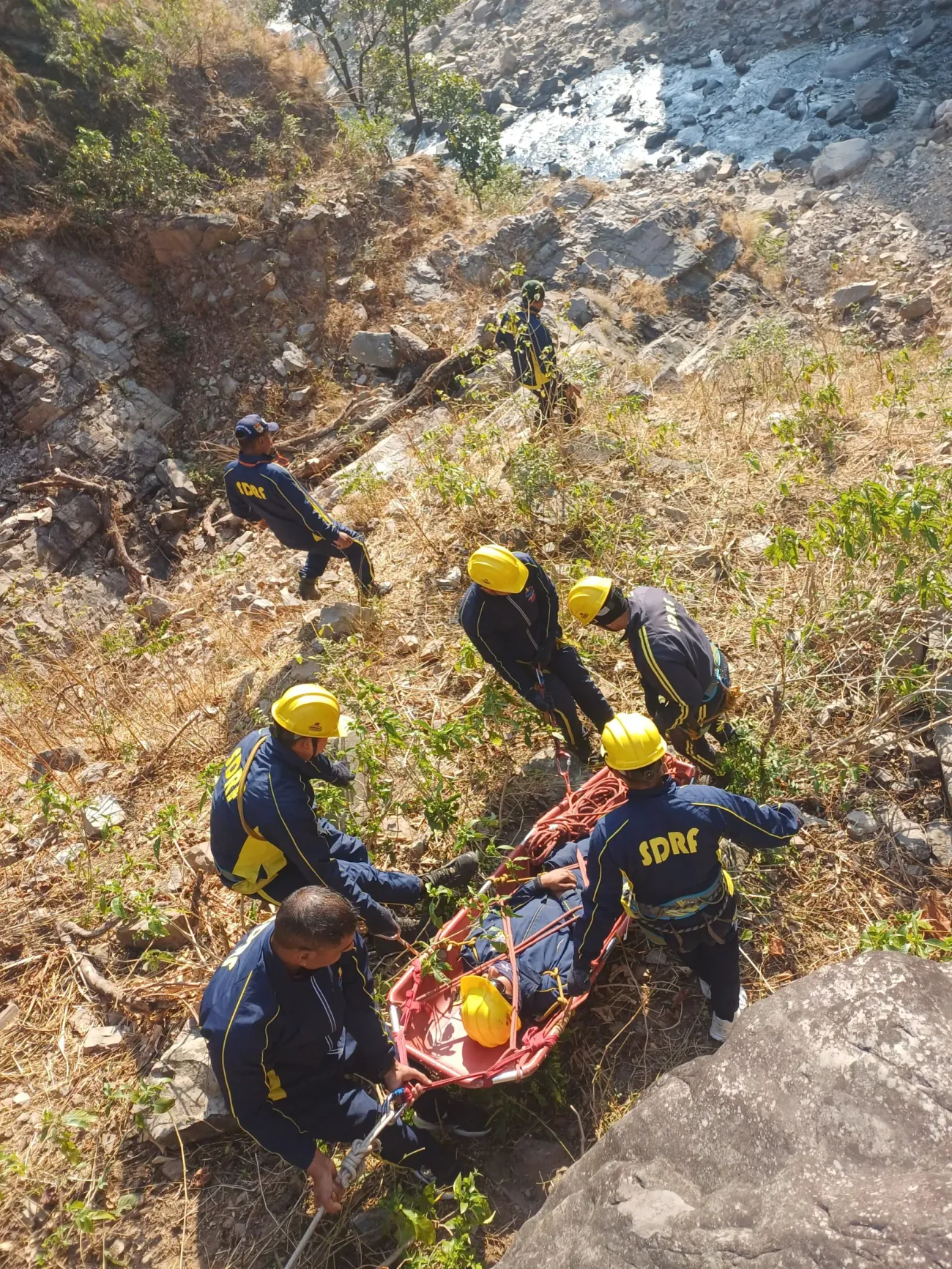
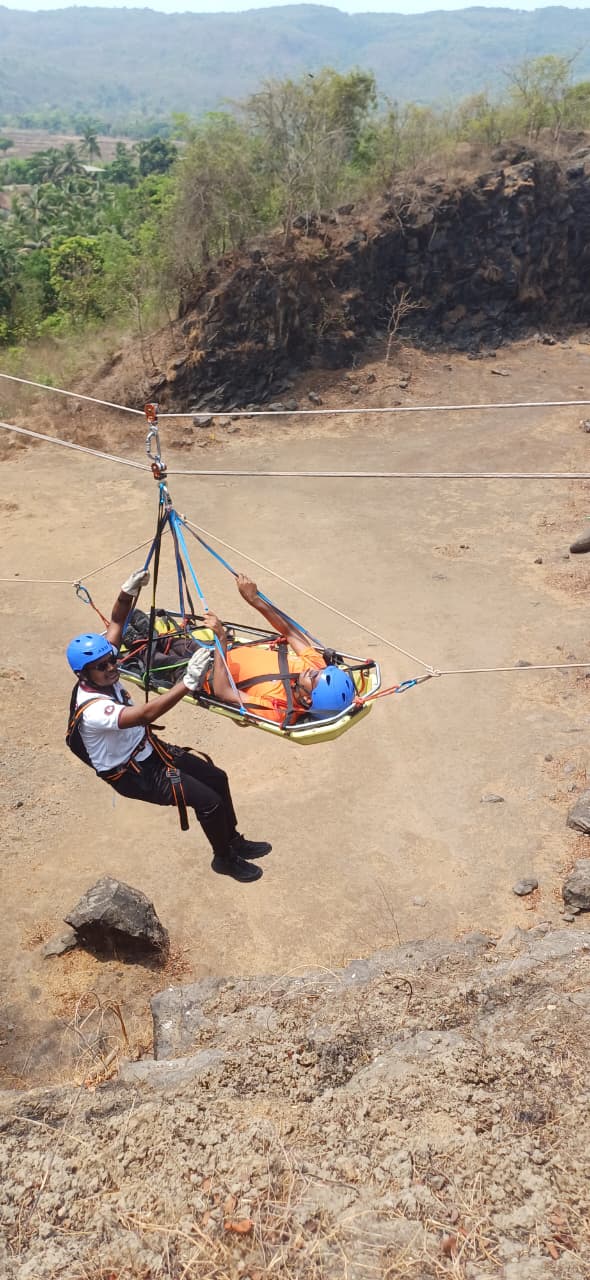
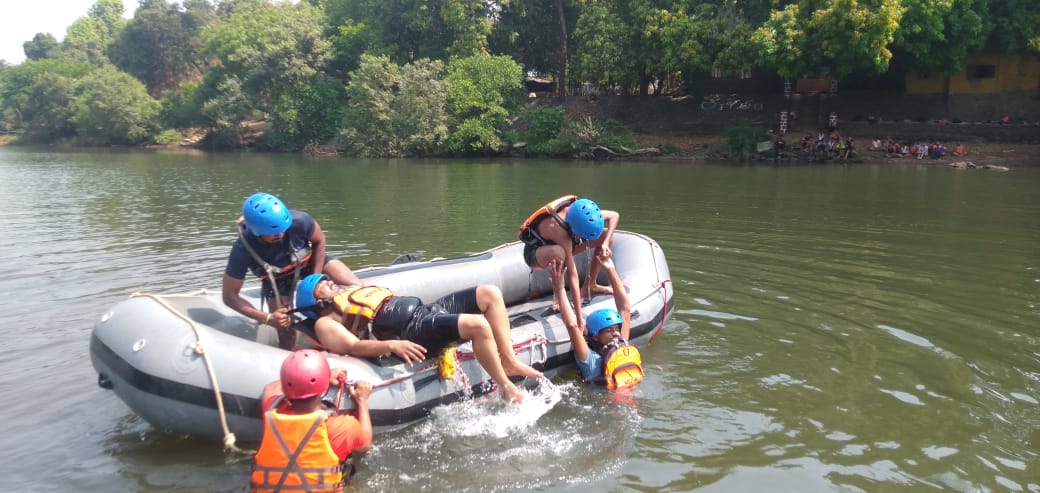
Our organized practical programs are conducted in regulated training settings, incorporating real-world scenario-based training. These proving grounds are designed to enrich technical learning and guarantee that participants acquire practical experience.
On-site programmes tailored to the organisation's operating conditions, personnel, equipment systems and mandated response roles.
Development of internal instructors who can sustain skills and reinforce capability after the initial programme.
Assessment, refresher learning, equipment awareness and capability maintenance designed to support long-term operational preparedness.
BUILT AROUND THE MISSION.
IRA develops training around the organisation's mandate, operating environment, personnel, equipment and expected response role — from inland emergencies to coastal and marine operations.
Identify the incidents, marine conditions, hazards and response scenarios the force is mandated to manage.
Evaluate existing personnel capability, equipment, procedures and operational limitations against the required response standard.
Integrate technical skills, command protocols, communications, equipment handling and safety procedures into a mission-specific programme.
Train teams through realistic land, water and marine scenarios involving changing conditions, restricted access and operational pressure.
Assess technical execution, command discipline, coordination, decision-making and safe completion against defined operational objectives.
Maintain capability through refresher training, Training of Trainers, equipment preparedness, periodic drills and continued assessment.
TECHNIQUE ALONE IS NOT READINESS.
A responder may know how to perform a technique and still be unprepared for the physical, environmental and organisational pressures of a real incident.
Can the responder correctly build, operate and execute the required rescue system?
Can personnel recognise and manage the effects of heat, cold, fatigue, immersion, PPE and physical exertion?
Can teams maintain supervision, communication, accountability and coordinated decision-making during an evolving incident?
Can responders continuously reassess hazards, resources, casualties, access and changing conditions?
PROGRAMMES DESIGNED TO OUTLAST THE BATCH.
The strongest measure of training is not what happens during a course, but what capability remains within the organisation afterward.
IRA has trained NDRF personnel across Advanced Technical Rescue, Advanced Deep Diving and SAR Deep Diving. The programmes strengthen specialist capability within a national force deployed across India for complex disaster response, supporting readiness across varied operational environments.
IRA-trained Aapda Mitras demonstrate how structured community-response training can strengthen local disaster capability. The Solapur flood response is one such instance, where trained volunteers supported evacuation, basic emergency care, local information sharing and relief coordination alongside formal response agencies.
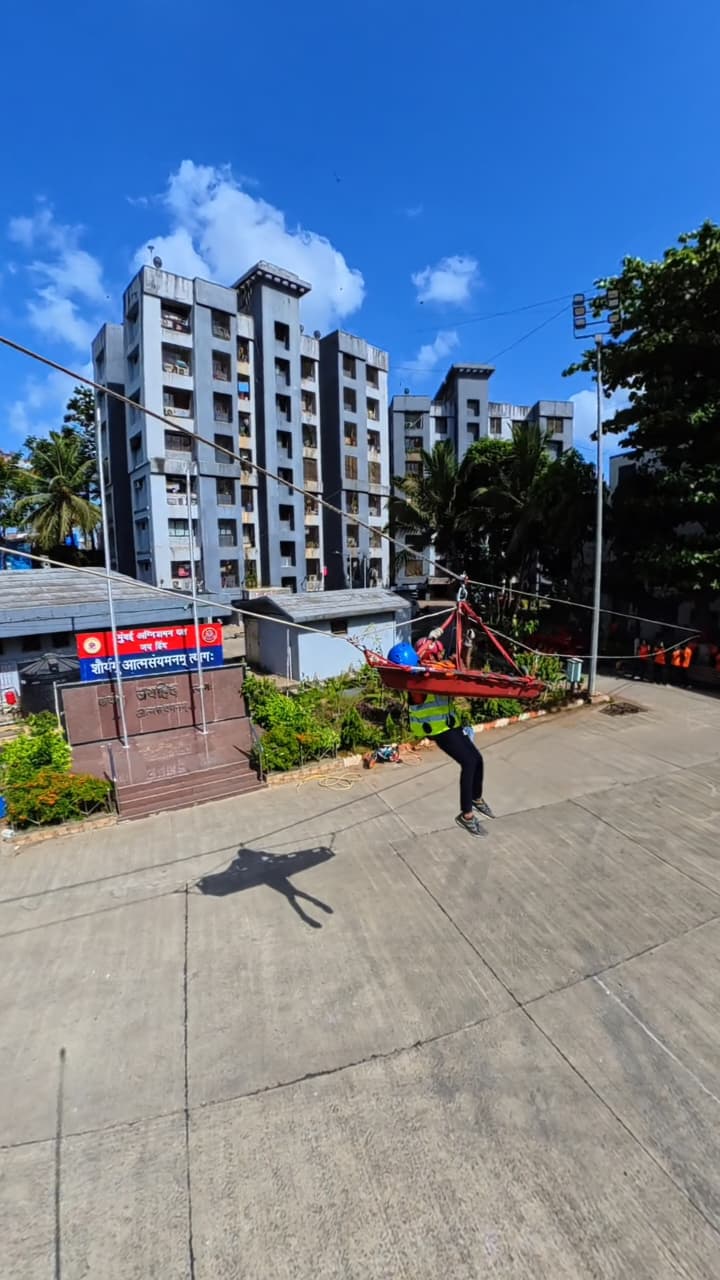
Through its multi-year engagement, IRA trains Mumbai Fire Brigade personnel in integrated technical rescue, advanced rope operations and equipment readiness. During a monsoon-related collapsed-structure response, approximately 5–6 trained personnel from each batch were mobilised, demonstrating how structured training translated into operational performance in a live incident.
LEADERSHIP BUILT AROUND EXPERIENCE.
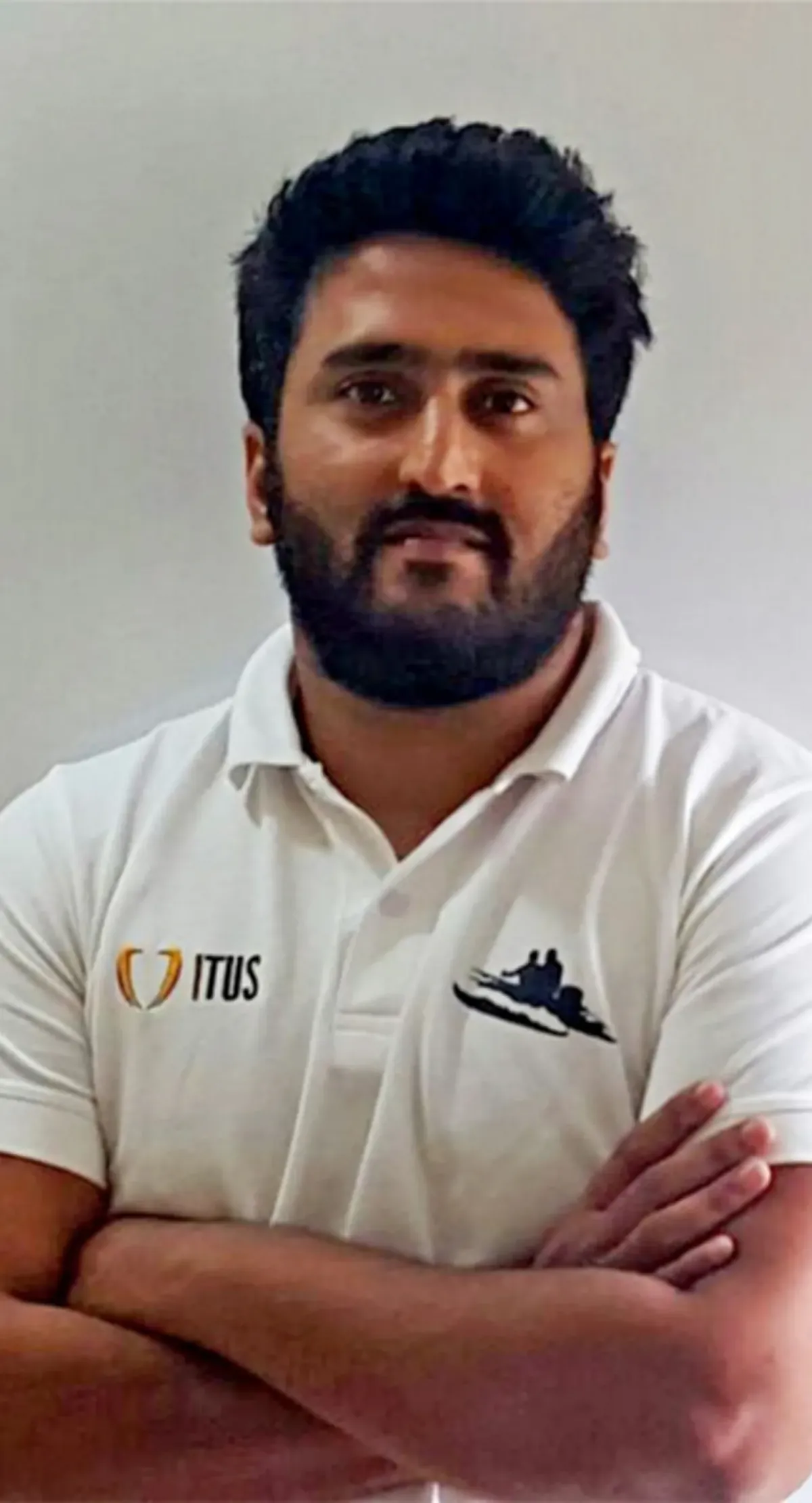
Ankit Wagh's journey began as an international swimmer and lifesaver before developing into a wider mission around rescue preparedness and national resilience. His experience across rescue, safety and international systems shaped the vision for Indian Rescue Academy — bridging proven global practices with India's operational environments and capability requirements.
FROM LIFESAVER TO CAPABILITY BUILDER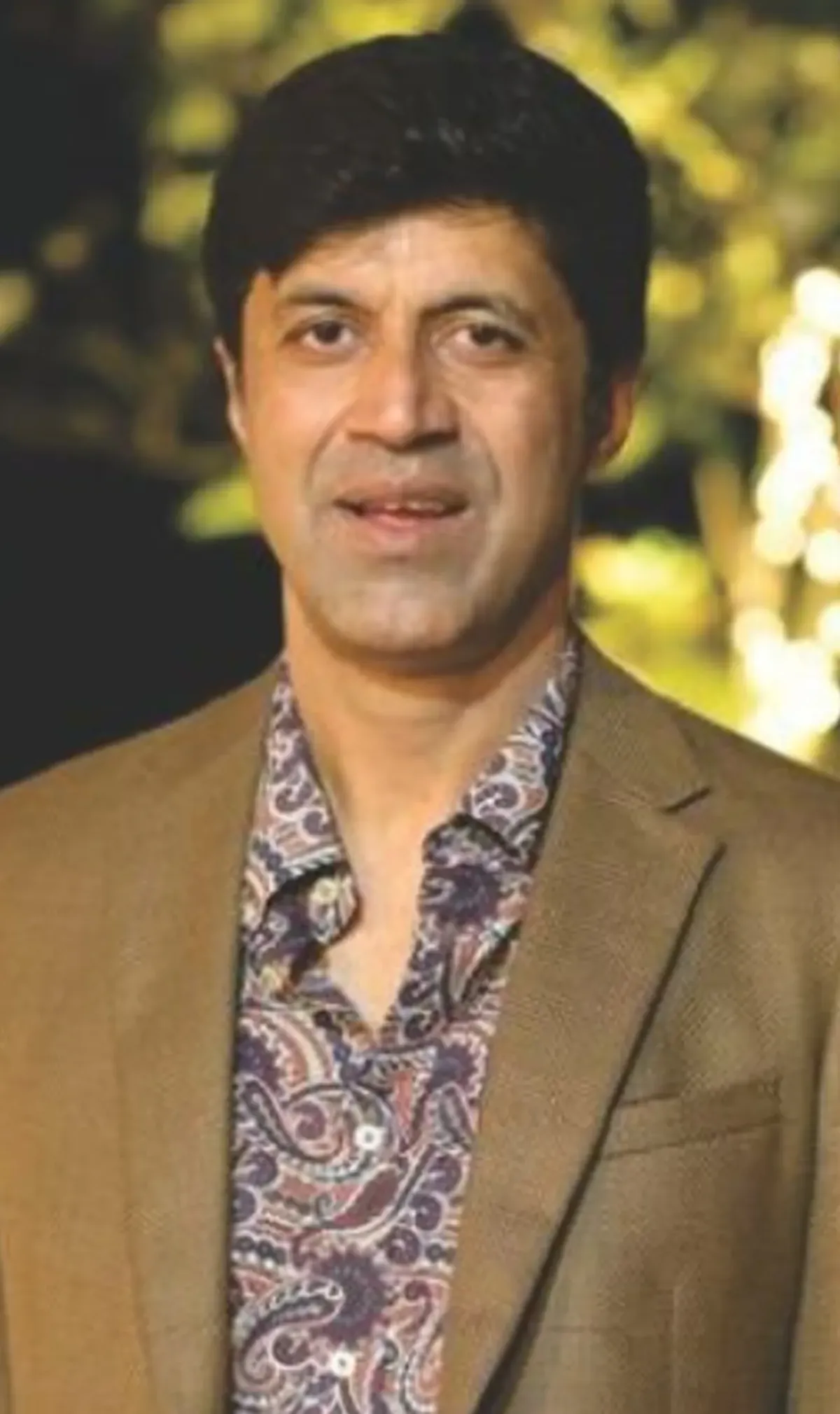
With more than two decades of experience in international business collaborations and government projects, Amit Ambedkar supports IRA's institutional growth, strategic partnerships and long-term capability development. His focus is on building sustainable relationships that connect training, preparedness, innovation and operational requirements.
STRATEGY · PARTNERSHIPS · INSTITUTIONAL DEVELOPMENT
BUILD CAPABILITY THAT LASTS BEYOND THE COURSE.
From a specialised programme to a multi-year force-development initiative, IRA works with organisations to build training around real operating environments, team responsibilities and capability gaps.
